
This article is part of our Fitness & Body Confidence hub. We have beginner-friendly workouts, strength training and cardio basics, gym confidence, exercising at home, building healthy habits, and understanding how movement can support both your physical and mental wellbeing.

A Guide to Strength Training for Teens and Young Adults
Strength training isn’t just for adults — teenagers can build muscle safely, improve fitness, and feel more confident in their bodies. This guide covers everything you need to know: why strength training is important, how muscles grow, beginner workouts, proper technique, nutrition, recovery, and tips to stay motivated. Whether you’re training at home or in the gym, this article helps you develop strength safely while supporting your overall health.
Why Strength Training Matters for Teens
Strength training is often associated with building muscle, but for teenagers, it plays a much broader role in overall health and development. During your teen years, your body is still growing and adapting, which means the habits you build now can have a lasting impact on how you feel physically and mentally.
When done correctly, strength training supports how your body develops. It helps strengthen muscles, but also improves bone density, which is especially important during adolescence when bones are still forming. It can also improve posture and coordination, making everyday movements feel easier and more controlled. This isn’t just about sports performance — it can help with things like carrying a school bag, sitting comfortably, or feeling more balanced in your body.
There’s also a mental side that often gets overlooked. Strength training can help you feel more capable and in control of your progress. As you get stronger, even in small ways, it can build confidence and improve how you see yourself. For many teens, it also becomes a way to manage stress, clear their mind, and create structure in their routine. This is especially helpful during busy or overwhelming periods like exams or social pressures.
Over time, these benefits tend to build on each other. Feeling physically stronger can lead to more confidence, which can make it easier to stay consistent and try new challenges. If you’re new to exercise, starting with a simple routine can make a big difference — you might find it helpful to explore beginner-friendly workout ideas or learn how to build a routine that fits your lifestyle.
The most important thing is to approach strength training in a way that feels safe and manageable. You don’t need to lift heavy weights or follow complicated plans to see benefits. Starting with basic movements, focusing on good technique, and giving your body time to recover can help you build strength steadily over time.
Strength training isn’t about becoming a different version of yourself — it’s about supporting the body you already have and helping it work at its best.
Understanding How Muscles Grow
Muscle growth can feel confusing at first, especially when progress isn’t always visible straight away. In simple terms, your muscles grow when they’re challenged during exercise and then given time to recover and rebuild.
When you train, you create small amounts of stress in your muscles. This isn’t harmful — it’s a normal part of the process. Your body responds by repairing those muscles and making them slightly stronger than before. This is why rest days and sleep are just as important as the workouts themselves. Without enough recovery, your body doesn’t get the chance to adapt properly.
One of the key ideas behind this is something called progressive overload. This means gradually increasing the challenge over time — for example, doing a few more reps, improving your technique, or slowly adding resistance. It doesn’t mean lifting as heavy as possible straight away. Small, steady increases are usually more effective and much safer, especially for beginners.
Consistency also plays a bigger role than intensity. Doing regular, manageable workouts each week tends to lead to better results than occasional intense sessions. Your body responds best to routines it can adapt to over time, rather than sudden spikes in effort followed by long gaps.
In practice, this means focusing on building a routine you can stick to and paying attention to how your body feels. You might find it helpful to learn how to structure a simple weekly plan or understand how recovery supports progress, especially if you’re unsure where to start.
The most useful approach early on is to prioritise good technique. Learning how to move correctly helps you train more effectively and reduces the risk of injury. Strength tends to follow naturally once your form is solid.
Muscle growth isn’t about rushing results — it’s about giving your body the right balance of challenge, recovery, and consistency over time.
Start Here:
Beginner Strength Training for Teens
Getting started with strength training can feel overwhelming, especially if you’re not sure what exercises to do or where to begin. The good news is that you don’t need a complicated plan to make progress — starting simple is often the safest and most effective approach.
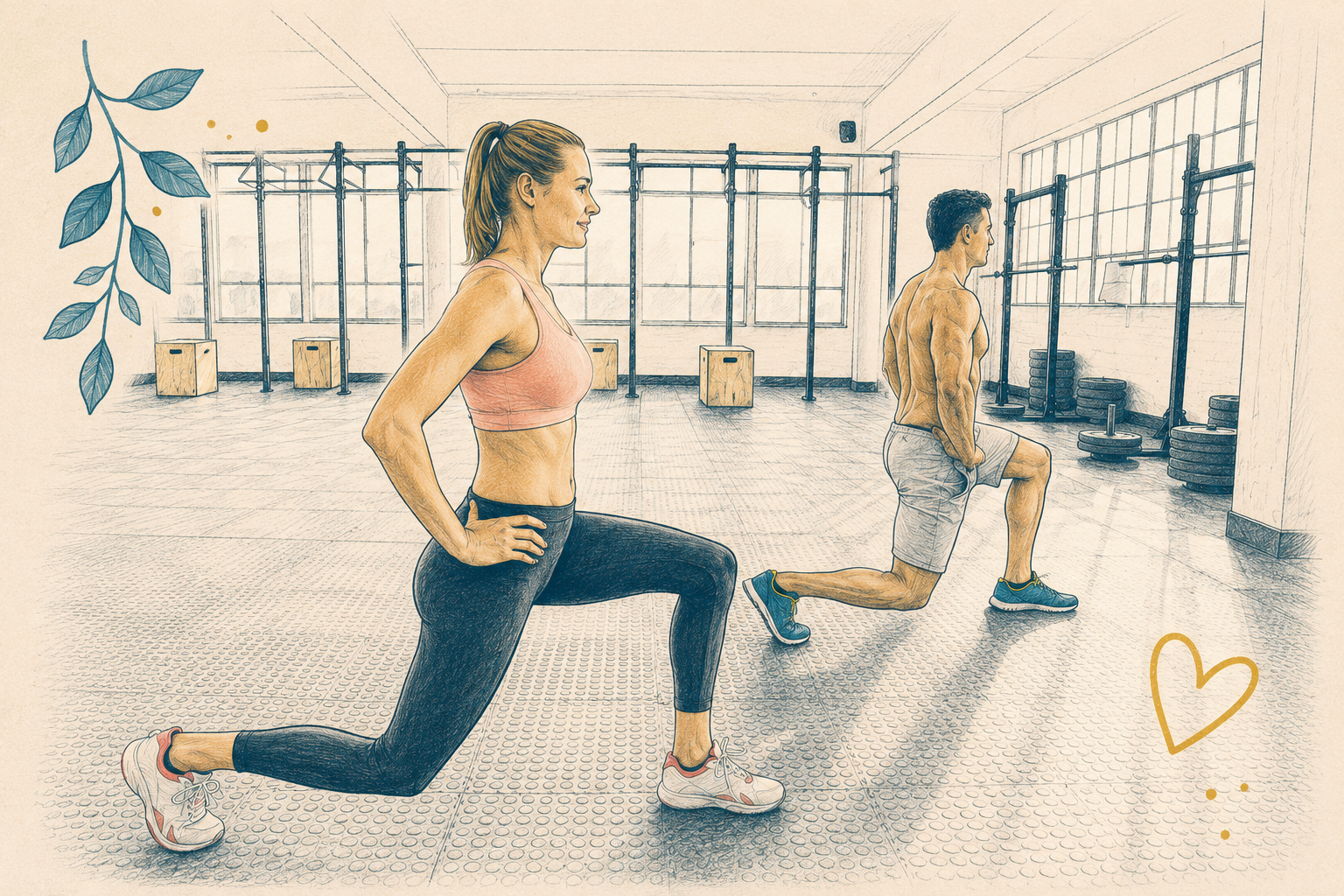
For most beginners, the focus should be on learning basic movements and building confidence with them. Bodyweight exercises like squats, push-ups, lunges, and planks are a strong starting point because they teach you how to control your own body. These movements build strength across multiple muscle groups and help you develop balance and coordination at the same time. Once you feel comfortable, you can gradually introduce light resistance using dumbbells or resistance bands to add a bit more challenge.
Another important part of beginner training is core stability. Your core includes your stomach, lower back, and surrounding muscles, and it supports almost every movement you do. Strengthening this area can improve posture, reduce the risk of injury, and make other exercises feel more controlled. This is why many beginner routines include simple core exercises alongside full-body movements.
Consistency matters more than doing everything perfectly. Training around 2–4 times per week gives your body enough stimulus to improve while still allowing time to recover. Rest days are part of the process, not something to skip — they’re when your body adapts and gets stronger. If you’re unsure how to structure this, it can help to look at beginner workout routines or simple weekly training plans that fit around school and daily life.
Before each session, taking a few minutes to warm up can help prepare your body and reduce the chance of injury. After training, light stretching can help your muscles relax and recover. These small habits can make a noticeable difference over time.
You don’t need to do everything at once — starting with a few basic exercises and building from there is more than enough to begin making progress.
Start Here:
Gym Workout Plan for Muscle Building & Strength
Starting a gym workout plan focused on muscle building and strength can feel intimidating at first, especially if you’re unsure what exercises actually help you get stronger. A simple, structured approach makes it much easier to stay consistent and focus on the movements that support real progress.
For muscle building, a full-body routine is usually the most effective place to start. This means training all the main muscle groups in each session so your body gets regular, balanced stimulus. A typical workout might include lower-body exercises like squats or leg press, upper-body pushing movements such as chest press or shoulder press, and pulling movements like rows or assisted pull-ups. Adding a basic core exercise helps support overall strength and stability, which carries over into all other lifts.
The key to building muscle is not just doing the exercises, but how you progress them over time. Using a weight that feels challenging while still allowing good control is important. A common starting point is 2–3 sets of around 8–12 repetitions per exercise, which can support muscle growth when done consistently. As exercises start to feel easier, gradually increasing the weight, reps, or control is what encourages your muscles to adapt and grow.
Rest between sets and between training days also plays a role in muscle development. Giving your muscles time to recover allows them to rebuild stronger, which is why training two to four times per week with rest days in between is often effective for beginners. Rushing sessions or skipping recovery can make progress slower rather than faster.
In practice, a muscle-building gym plan should feel structured but manageable. Focusing on a small number of effective exercises and repeating them each week helps you track progress more clearly. You might find it helpful to follow a beginner strength training routine or learn how progressive overload works so you can build strength safely over time.
You don’t need a complicated routine to build muscle — consistent effort, gradual progression, and good technique are what make the difference over time.
Start Here:
Home Workouts for Teens: Build Muscle Without a Gym
Not everyone has access to a gym, and that can make starting strength training feel more difficult than it needs to be. The reality is that you can build strength and muscle at home using simple movements and minimal equipment, especially in the early stages.
Home workouts often focus on bodyweight exercises like push-ups, squats, lunges, and planks. These movements challenge multiple muscle groups at once and help you develop control, balance, and coordination. As you get stronger, small adjustments — such as slowing the movement, increasing repetitions, or adding resistance bands — can continue to challenge your muscles without needing heavy weights.
One of the advantages of training at home is flexibility. You can fit workouts around your schedule, remove the pressure of a gym environment, and focus on building confidence at your own pace. For many teens, this makes it easier to stay consistent, which is one of the most important factors in building strength over time.
If you’re unsure how to structure your sessions, exploring a guide on home workouts for teens can help you understand which exercises to include and how to progress them safely. You might also find it useful to learn how to create a simple routine that fits your space, time, and experience level.
You don’t need a gym to get stronger — a consistent, well-structured approach at home can be just as effective when done properly.
Start Here:
Best Full Body Workout Exercises for Beginners
When you’re starting strength training, knowing which exercises to focus on can make everything feel much clearer. Instead of trying to learn lots of different movements at once, a small number of well-chosen full body exercises can help you build strength safely and effectively.
Full body exercises work multiple muscle groups at the same time, which makes them especially useful for beginners. Movements like squats, push-ups, rows, and lunges don’t just target one area — they help your whole body work together. This improves coordination, builds balanced strength, and makes your workouts more efficient without needing long or complicated routines.
These exercises also form the foundation of most strength training programmes. By practising them regularly, you develop better technique and confidence, which makes it easier to progress later on. Many beginners find that repeating the same core movements each week helps them track improvement more clearly and feel more in control of their training.
If you’re unsure where to start, exploring a structured guide to the best full body workout exercises for beginners can help you understand how to perform each movement correctly and how to combine them into a simple routine. You might also find it useful to learn how to build a beginner workout plan that fits around your schedule and experience level.
Starting with the basics isn’t limiting — it’s what sets you up for steady, long-term progress.
Start Here:
Nutrition for Muscle Building Teens
Nutrition plays a key role in strength training, but it doesn’t need to be complicated or restrictive. As a teenager, your body is already growing and changing, so eating well is less about strict rules and more about giving your body the fuel it needs to support both daily life and your training.
When you exercise, your body uses energy and breaks down muscle tissue slightly as part of the training process. Food helps you recover from that and adapt over time. Protein is important because it supports muscle repair — foods like eggs, chicken, beans, dairy, and tofu can all contribute to this. At the same time, carbohydrates provide the energy your body needs to get through workouts and recover afterwards. Without enough energy, training can start to feel harder and progress may slow down.
Healthy fats are also part of the bigger picture. They help support hormone function, which plays a role in growth, recovery, and overall health. Foods like nuts, seeds, and avocados can be included as part of a balanced diet. Alongside this, hydration is often underestimated. Drinking enough water helps with performance, concentration, and recovery, especially if you’re active most days.
In practice, this usually means focusing on regular, balanced meals rather than trying to follow a perfect diet. Eating a mix of protein, carbohydrates, and fats across the day can help keep your energy stable and support your training. You might find it helpful to explore simple meal ideas or understand how to fuel your body around workouts if you’re unsure where to start.
For most teenagers, supplements aren’t necessary. In many cases, everyday foods provide everything your body needs to grow and get stronger. Keeping things simple, consistent, and realistic tends to work better than trying to follow strict or extreme approaches.
Nutrition doesn’t need to be perfect to be effective — it just needs to support your body in a way that feels manageable and sustainable.
Recovery and Rest
Recovery is a part of strength training that often gets overlooked, especially when you’re focused on improving quickly. However, your muscles don’t actually grow during workouts — they grow during the time your body spends resting and repairing.
When you train, you place stress on your muscles, and your body responds by rebuilding them stronger. This process depends heavily on rest and sleep. During sleep, your body carries out most of its repair work, which is why getting enough rest each night can make a noticeable difference in how you feel and perform. Without enough recovery, your body may struggle to keep up with the demands you’re placing on it.
Rest days are just as important as training days. Taking at least a day between more intense sessions gives your muscles time to recover and reduces the risk of overuse injuries. This doesn’t mean doing nothing at all — light activity like walking or gentle stretching can help your body stay active without adding extra strain. Learning to recognise the difference between normal muscle soreness and pain is also important, as ongoing discomfort can be a sign that your body needs more time to recover.
In practice, recovery is about listening to your body and building rest into your routine, not treating it as an afterthought. You might find it helpful to explore how sleep affects performance or understand the signs of overtraining so you can adjust your routine when needed.
Taking recovery seriously doesn’t slow your progress — in many cases, it’s what allows consistent progress to happen in the first place.
Staying Safe While Building Muscle
Building strength should feel positive and controlled, not risky or overwhelming. As a teenager, your body is still developing, so taking a safe and steady approach helps you make progress without unnecessary setbacks.
Many injuries in strength training don’t come from the exercises themselves, but from how they’re done. Rushing into heavy weights, skipping warm-ups, or copying advanced routines can put extra strain on your joints and muscles. Learning proper technique early on makes a big difference — it helps you train more effectively and reduces the chance of picking up bad habits that are harder to fix later.
It’s also easy to fall into the trap of comparing yourself to others, especially in a gym or online. However, everyone starts at a different point and progresses at a different rate. Trying to match someone else’s weights or intensity before you’re ready can increase the risk of injury and take away from your own progress. Strength training works best when it’s built around your current ability, not someone else’s.
In practice, keeping things safe means focusing on the basics: warming up before you train, moving with control, and choosing exercises that you understand. Avoid jumping into complex or high-risk movements until you’ve built a solid foundation. If something doesn’t feel right, it’s worth pausing and adjusting rather than pushing through.
If you’re ever unsure about your form or routine, asking for guidance from a PE teacher, coach, or qualified trainer can be helpful. Getting things right early on can make training feel more confident and consistent over time.
Building muscle isn’t about taking risks — it’s about making steady, controlled progress that your body can keep up with.
Start Here:
Motivation and Setting Goals
When goals are too vague or too ambitious, it’s easy to lose motivation. Setting small, measurable goals — like improving your form, adding a few extra repetitions, or feeling more confident with a movement — can make progress feel more achievable. These types of goals also help you notice improvements that aren’t always visible, which is important in the early stages of training.
Tracking your progress can also make a difference. Writing down what you do in each session or using a simple app can help you see patterns over time and recognise improvements you might otherwise miss. This can be especially useful on days when you feel like you’re not making progress, as it gives you something concrete to look back on.
It’s also important to keep your focus on your own journey. Comparing yourself to others — whether in person or online — can quickly take away from your motivation and confidence. Everyone’s starting point, body type, and progress rate are different. Focusing on your own improvement tends to lead to more consistent and positive results.
In practice, motivation often comes from building habits rather than relying on how you feel each day. Creating a routine that fits around your schedule can make training feel more manageable. You might find it helpful to explore ways to stay consistent with workouts or learn how to build a routine that works for you.
Progress in strength training is rarely instant, and it doesn’t always move in a straight line. Staying patient and recognising small improvements along the way can help you keep going, even when results take time to show.
Long-Term Benefits
Strength training during your teenage years isn’t just about short-term results — it can shape how your body and mind develop over time. The habits you build now often carry into adulthood, influencing how you approach health, fitness, and self-care in the future.
Physically, regular strength training can support stronger bones, better posture, and improved movement patterns. During adolescence, your body is still developing, which means this is an important time to build a solid foundation. Learning how to move well, control your body, and strengthen key muscle groups can reduce the likelihood of injuries, both in sports and in everyday activities. These benefits don’t just disappear — they tend to carry forward as you get older.
There’s also a long-term impact on mental wellbeing. Strength training can help you develop discipline, resilience, and a more balanced relationship with your body. Over time, this can support better stress management and a more stable sense of confidence. Instead of focusing only on appearance, many people begin to value what their body can do, which can lead to a healthier mindset overall.
In practice, this means thinking of strength training as something you build gradually rather than something you rush. You might find it helpful to explore how to maintain fitness habits over time or understand how exercise supports mental health, especially if you want to stay consistent beyond the early stages.
You don’t need to get everything perfect to benefit in the long run. Small, consistent efforts now can help create a strong, balanced foundation that supports both your physical health and confidence as you grow.
Final Thoughts About Strength Training As A Teen
Strength training and muscle building aren’t just about appearance — they’re about feeling stronger, healthier, and more confident. By learning proper technique, eating well, resting adequately, and staying consistent, teenagers can build muscle safely while developing lifelong healthy habits. Start slow, stay consistent, and enjoy the process — your body and mind will thank you.
Browse by Article


More about strength training & muscle building
Frequently Asked Questions
Is strength training safe for teenagers?
Yes — when done correctly, strength training is safe and beneficial for teenagers. Using proper technique, appropriate weights, and allowing enough rest between workouts helps reduce injury risk. It’s always better to start light, focus on form, and increase difficulty gradually.
Will lifting weights stunt my growth?
No. This is a common myth. There’s no evidence that strength training stops you from growing. In fact, it can support strong bones, muscles, and joints when done safely and with good guidance.
Do I need to go to the gym to build muscle?
Not at all. You can build strength using bodyweight exercises at home, such as squats, push-ups, lunges, and planks. Dumbbells, resistance bands, or a gym can help, but they’re not required to get started.
How often should teenagers strength train?
For most teens, 2–4 strength training sessions per week is plenty. Your muscles grow during rest, so taking recovery days is just as important as the workouts themselves.
How long does it take to see results?
Everyone is different, but many teens notice strength improvements within a few weeks. Visible muscle growth usually takes longer and depends on consistency, nutrition, sleep, and genetics. Progress isn’t always obvious in the mirror at first — feeling stronger counts too.
Do I need protein shakes or supplements to build muscle?
No. Most teenagers can get enough protein from normal foods like eggs, chicken, fish, beans, dairy, and tofu. Supplements aren’t necessary and should never replace balanced meals.
What if I feel intimidated or embarrassed in the gym?
That’s completely normal. Many people feel the same way, especially when starting out. Remember that most gym-goers are focused on their own workouts. Starting with simple routines, going with a friend, or training at home can help build confidence.
When should I stop or ask for help?
Stop exercising if you feel sharp pain, dizziness, or discomfort that doesn’t feel normal. If you’re unsure about technique, feel overwhelmed, or have a health condition, asking a PE teacher, coach, or qualified trainer for guidance is a smart mov