

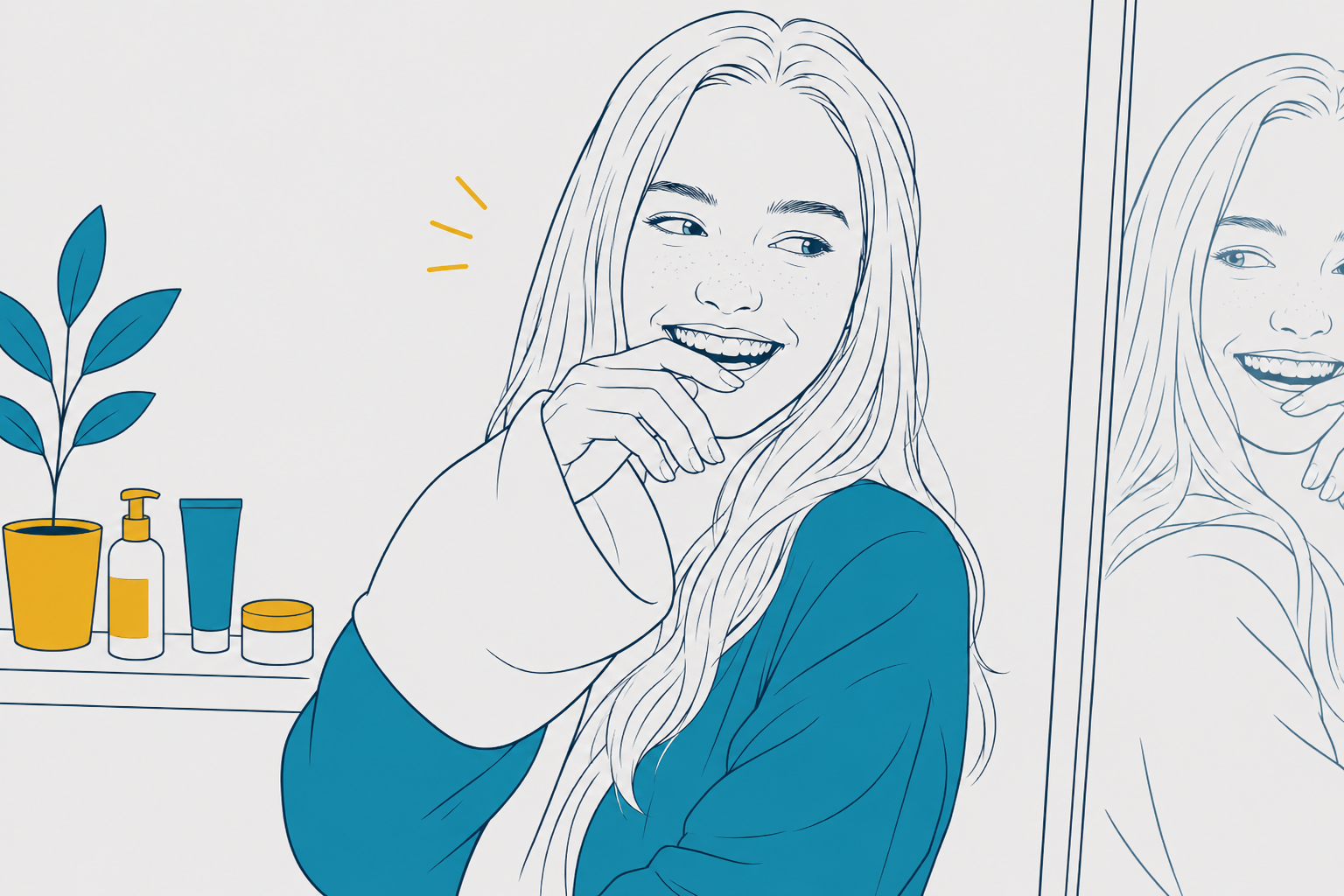

Taking better care of yourself sounds simple.
In reality, many teenagers are not entirely sure where to begin.
You might know you want healthier habits, better hygiene, more confidence, or a stronger routine, but when there seems to be advice everywhere, it can be difficult to know what actually matters. Social media often makes self-care look complicated, expensive, or time-consuming, which can leave people feeling overwhelmed before they even start.
If you’re looking for a broader guide to personal grooming for teens and young adults it helps to remember that taking care of yourself is usually built on simple habits rather than dramatic changes. The goal is not to transform your life overnight. It is to make small improvements that support your wellbeing over time.
What Does Taking Care of Yourself Actually Mean?
When people hear the phrase “taking care of yourself,” they often imagine skincare routines, gym memberships, or complicated wellness habits.
Those things can sometimes be part of self-care, but they are not the foundation.
At its core, taking care of yourself means paying attention to your physical, emotional, and practical needs. It means recognising that your wellbeing matters and making reasonable efforts to support it.
For many teens, that can start with surprisingly simple habits:
- Maintaining personal hygiene
- Getting enough sleep
- Eating regularly
- Drinking water
- Looking after your mental wellbeing
- Taking breaks when needed
- Asking for help when you need support
These habits may not seem particularly exciting, but they often have a greater impact than constantly chasing new trends or routines.
Why Small Changes Usually Work Best
One of the most common mistakes people make is trying to improve everything at once.
- A new hygiene routine.
- A new sleep schedule.
- A new exercise plan.
- A completely different lifestyle.
While that approach can feel motivating at first, it is often difficult to maintain.
Small changes tend to be more realistic because they fit more easily into everyday life. They allow you to build confidence gradually rather than relying on motivation alone.
For example, someone who struggles with personal care might begin by focusing on:
- Brushing their teeth consistently
- Showering regularly
- Wearing clean clothes
- Creating a simple morning routine
These habits may seem basic, but they create a foundation that makes other positive changes easier to build upon later.
Start With the Habits That Affect Daily Life
When deciding where to begin, it often helps to focus on the habits that have the biggest impact on everyday comfort and wellbeing.
Personal hygiene is usually one of those areas.
Looking after your body can help you feel more comfortable physically while also reducing some of the practical worries that can affect confidence and daily life.
This is one reason understanding why personal hygiene matters during the teenage years can be helpful. During adolescence, your body changes in ways that often make hygiene routines more important than they were during childhood.
You do not need a perfect routine.
You simply need a few habits that help you feel reasonably clean, comfortable, and prepared.
Why Self-Care Is Not About Perfection
Many teens avoid self-improvement because they feel they cannot do it perfectly.
If they miss a day, they feel like they have failed.
If they cannot follow a routine exactly, they give up completely.
This mindset often creates more problems than it solves.
Taking care of yourself is not a pass-or-fail test.
There will be days when you forget things, feel unmotivated, or struggle to stick to your plans. That is normal.
Progress is usually built through consistency rather than perfection.
The goal is not to become the most organised person in the world. The goal is to make choices that support your wellbeing more often than not.
Building a Simple Personal Care Routine
Many people find it easier to maintain habits when they become part of a routine.
A routine removes some of the decision-making because certain actions naturally happen at roughly the same time each day.
For example:
Morning:
- Brush your teeth
- Wash your face
- Get dressed
- Prepare for the day
Evening:
- Shower if needed
- Brush your teeth
- Prepare clothes or essentials for tomorrow
- Wind down before bed
The exact routine does not matter as much as the fact that it feels manageable.
Simple systems are often easier to maintain than complicated ones.
Why Looking After Yourself Can Affect Confidence
Taking care of yourself does not automatically create confidence.
However, it can influence how you feel about yourself.
When basic needs are being met, people often feel more prepared for everyday situations. They may spend less time worrying about things such as body odour, bad breath, messy hair, or feeling disorganised.
This does not solve every confidence challenge, but it can remove some of the distractions that contribute to self-consciousness.
Our article on how grooming helps social confidence explores this relationship in more detail and explains why small personal care habits can sometimes have a larger impact than people expect.
Learning to Treat Yourself With Respect
One of the healthiest reasons to improve your habits is because you believe you are worth looking after.
Unfortunately, some people approach self-care from a place of criticism. They only look after themselves because they dislike something about their appearance or feel pressured to meet certain expectations.
That approach rarely feels sustainable.
Healthy self-care is usually rooted in self-respect rather than self-criticism.
You do not need to earn the right to look after yourself.
You do not need to be perfect before you deserve care.
This idea is explored further in why grooming should support self-respect rather than perfection which looks at how personal care can support wellbeing without becoming another source of pressure.
What If You Feel Overwhelmed?
If taking better care of yourself feels overwhelming, it may help to lower the bar rather than raise it.
Many people assume they need a completely new routine before they can make progress. In reality, lasting habits often begin with a single manageable change. That might be brushing your teeth every evening, showering more consistently, drinking more water throughout the day, or simply making one aspect of your routine a little more regular.
Small improvements can create a sense of momentum. Once a habit starts to feel familiar, it usually requires less effort and attention, making it easier to build another healthy habit alongside it. Over time, these small changes can develop into a routine that feels natural and sustainable.
Most people do not transform their habits overnight. They build them gradually, one manageable step at a time.
Taking Care of Yourself Looks Different for Everyone
There is no universal self-care routine.
Different people have different needs, personalities, schedules, interests, and challenges.
Someone balancing school and sport may need different routines from someone balancing work and study. Someone with sensitive skin may need different grooming habits from someone with oily skin.
The goal is not to copy somebody else’s routine.
The goal is to create habits that support your own wellbeing and fit naturally into your life.
When self-care becomes personal rather than performative, it usually becomes much easier to maintain.
Final Thoughts
Taking better care of yourself does not require a complete lifestyle transformation.
For most teens, it begins with a few simple habits that support health, comfort, hygiene, and wellbeing. Over time, those habits can become part of a routine that helps you feel more organised, prepared, and confident in everyday life.
The goal is not perfection. It is progress.
Small actions repeated consistently often have a bigger impact than dramatic changes that never quite become part of your daily routine. Start where you are, focus on what feels manageable, and allow healthy habits to develop gradually over time.
