

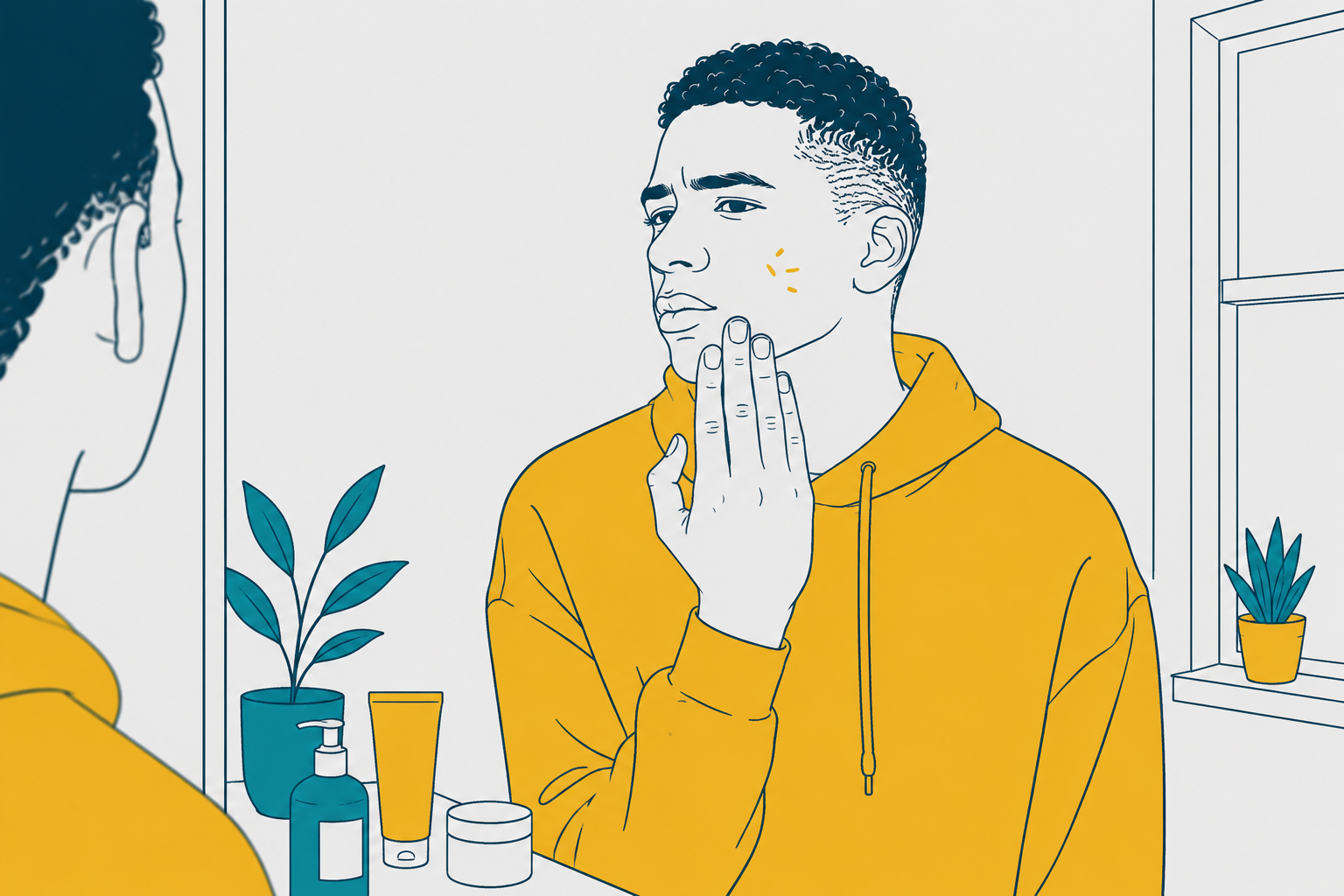

Personal hygiene can feel like a simple topic.
Most people know they should shower, brush their teeth, wash their hands, and wear clean clothes. However, during the teenage years, hygiene often becomes more important than it was during childhood because your body is changing in ways that directly affect your daily care needs.
If you’re looking for a broader guide to personal grooming for teens and young adults it’s helpful to understand why hygiene habits matter, how they support your health and wellbeing, and why many teenagers find themselves needing different routines as they get older.
Good hygiene is not about looking perfect or avoiding judgement. At its core, it is about taking care of your body in a way that helps you feel healthy, comfortable, and prepared for everyday life.
Why Hygiene Needs Often Change During the Teenage Years
One reason hygiene becomes more important during adolescence is that hormones begin affecting the body in new ways.
These changes can influence:
- Sweat production
- Body odour
- Skin oiliness
- Acne and breakouts
- Hair texture and scalp oil
- General physical development
Many teens notice that routines that worked perfectly well during childhood suddenly feel less effective.
For example, someone who rarely worried about body odour before puberty may find they need to shower more regularly or start using deodorant. Someone else may notice their hair becomes greasier more quickly than it used to.
These changes are completely normal.
They are not signs that something is wrong. They simply reflect the fact that your body is developing and your personal care habits may need to adapt alongside it.
Hygiene Is About Health First
When hygiene is discussed online, the conversation often focuses on appearance.
In reality, personal hygiene is primarily about health.
- Brushing your teeth helps protect your oral health.
- Washing your hands helps reduce the spread of germs.
- Showering helps remove sweat, dirt, and bacteria from the skin.
- Wearing clean clothes can support comfort and hygiene throughout the day.
The confidence benefits of good hygiene are real, but they are not the main reason these habits matter.
Looking after your body helps support your health now and can also reduce the risk of certain problems developing later.
This is one reason hygiene should be viewed as an act of self-care rather than something you do purely for appearance.
Why Body Odour Becomes More Noticeable
One of the most common hygiene concerns during the teenage years is body odour.
This can sometimes feel embarrassing, but it is a normal part of puberty.
As hormone levels change, sweat glands become more active. Sweat itself is not usually responsible for body odour. Instead, odour develops when sweat interacts with bacteria that naturally live on the skin.
This is why habits such as showering regularly, changing clothes, and using deodorant can be helpful.
The goal is not to eliminate every trace of sweat. Sweating is a healthy and important body function.
The goal is simply to manage hygiene in a way that helps you feel comfortable during daily activities.
Why Hygiene Can Affect Confidence
Although hygiene is primarily about health, it can also influence how you feel about yourself.
Many people feel more comfortable socially when they know they have taken care of basic personal care habits. They may spend less time worrying about bad breath, body odour, greasy hair, or other concerns that could distract them during conversations and activities.
The effect is often subtle.
Good hygiene does not automatically create confidence, but it can remove some of the worries that sometimes contribute to self-consciousness.
If you’d like to explore this connection further, our article on how grooming helps social confidence looks at the relationship between personal care habits and confidence in more detail.
Good Hygiene Is Not About Perfection
One mistake many people make is assuming good hygiene means being perfectly clean all the time.
That is not realistic.
Everyone occasionally forgets something, has a busy day, or falls behind on routines.
Healthy hygiene is not about perfection. It is about consistency.
Brushing your teeth regularly matters more than doing it perfectly.
Keeping reasonably clean matters more than constantly worrying about every detail of your appearance.
When hygiene becomes tied to anxiety or perfectionism, it can create unnecessary stress. Personal care should support your wellbeing, not become another source of pressure.
This is closely related to why grooming should support self-respect rather than perfection which explores the difference between healthy self-care and unrealistic expectations.
Common Hygiene Habits That Matter Most
There is no perfect hygiene routine that works for everyone.
However, most teens benefit from focusing on a few core habits:
- Brushing teeth twice daily
- Showering regularly based on activity levels and needs
- Washing hands throughout the day
- Wearing clean clothes
- Looking after hair and scalp hygiene
- Using deodorant if needed
- Keeping nails reasonably clean
These habits may seem simple, but they form the foundation of good personal care.
Many people spend a lot of time searching for advanced advice while overlooking the habits that usually matter most.
What If You Struggle With Hygiene Habits?
Sometimes hygiene routines feel difficult to maintain.
This can happen for many reasons.
- Stress
- Busy schedules
- Low motivation
- Mental health challenges
- Feeling overwhelmed
If that sounds familiar, try not to view hygiene as an all-or-nothing situation.
Small actions still matter.
Brushing your teeth is better than doing nothing.
Taking a quick shower is better than avoiding it entirely.
Changing into clean clothes can still be a positive step.
If you are trying to build healthier routines, it can help to start with a few manageable habits rather than attempting to change everything at once.
Our guide to starting to take better care of yourself offers practical ideas for building routines that feel realistic and sustainable.
Hygiene Habits Can Support Adult Life Too
One benefit of building good hygiene habits during your teenage years is that those habits often carry into adulthood.
The routines you develop now can make future responsibilities feel easier to manage.
This does not mean you need to have everything figured out immediately.
Most people continue adjusting their routines throughout life as their circumstances, schedules, and needs change.
The goal is not perfection.
It is learning how to look after yourself consistently enough that personal care becomes a normal part of daily life rather than something that feels stressful or overwhelming.
Final Thoughts
Personal hygiene matters during the teenage years because your body is changing, your needs are evolving, and simple habits can have a meaningful impact on both health and comfort.
Good hygiene is not about being perfect or trying to impress other people. It is about supporting your wellbeing, looking after your body, and building routines that help you feel comfortable in everyday life.
Many of the most important hygiene habits are also the simplest. When repeated consistently, those small actions can help support both your health and your confidence as you move through your teenage years and beyond.
