

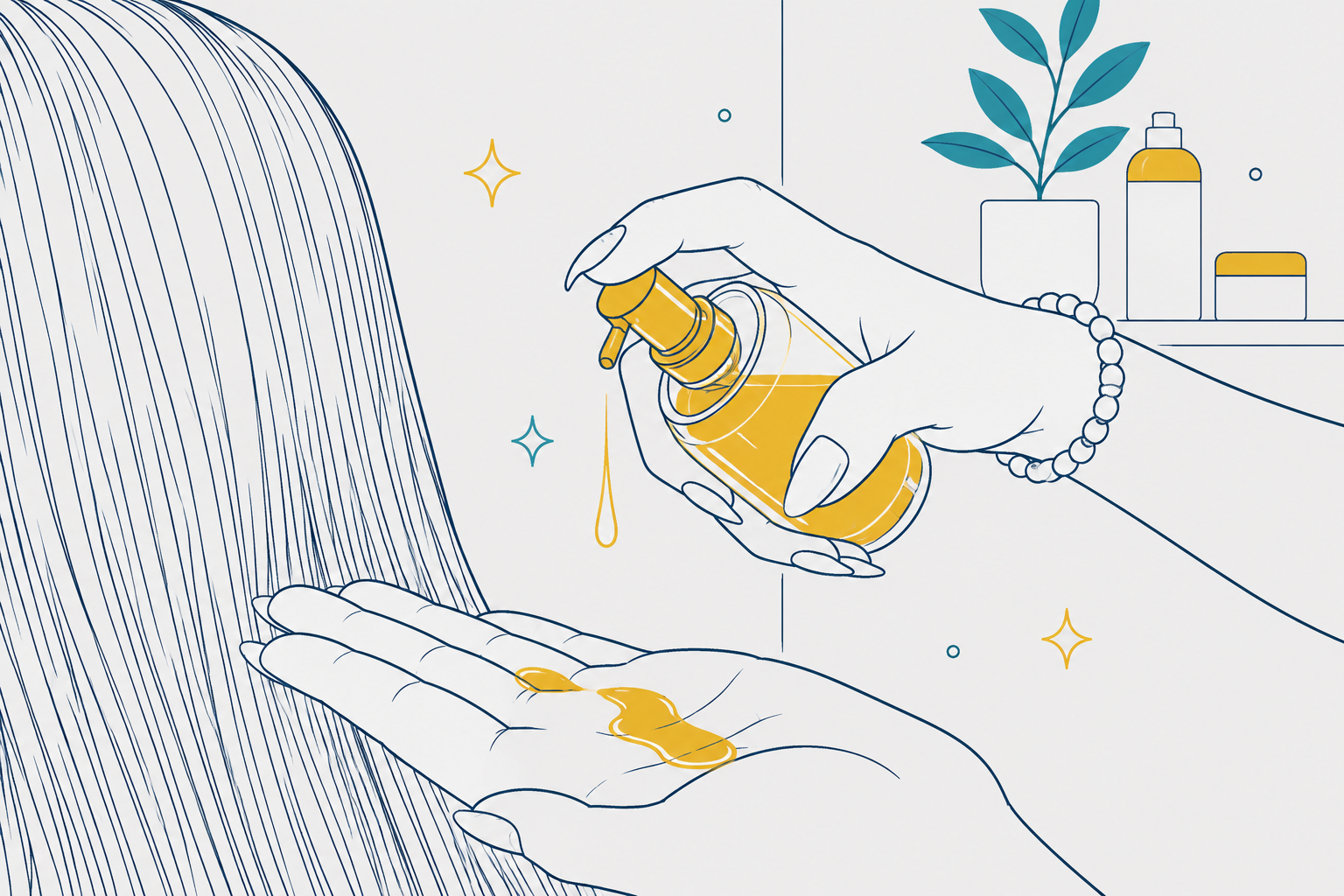

When people think about hair care, shampoo usually gets most of the attention. It is often seen as the essential step, while conditioner is treated as optional or something only certain hair types need.
In reality, conditioner plays an important role in keeping hair comfortable, manageable, and easier to care for. For many teenagers, using the right conditioner consistently can make a bigger difference than constantly changing shampoos. If you’re trying to build a simple product routine, our Choosing the Right Shampoo & Conditioner for Your Hair Type guide explains how both products work together.
Understanding why conditioner matters can make hair care feel much simpler and help you avoid some common mistakes.
What Conditioner Actually Does
To understand why conditioner is important, it helps to understand what happens when you wash your hair.
Shampoo is designed to remove oil, sweat, dirt, and product buildup from the scalp and hair. While this cleansing process is important, it can also leave the hair feeling less smooth and more vulnerable to tangling, particularly if your hair is longer, drier, curly, or textured.
Conditioner helps restore softness and manageability after cleansing.
It works by coating and smoothing the hair, helping strands glide past each other more easily. This can reduce friction, improve comfort when brushing, and make hair easier to style.
In simple terms, shampoo cleans and conditioner helps care for the hair afterwards.
Conditioner Is Not Just for Dry Hair
A common misconception is that only people with dry hair need conditioner.
In reality, most hair types can benefit from some form of conditioning.
People with curly, coily, textured, long, or naturally dry hair may notice particularly obvious benefits because their hair often needs additional moisture and manageability.
However, even people with straighter or oilier hair can benefit from conditioning the lengths and ends of the hair.
The key is choosing a conditioner that suits your hair rather than assuming you do not need one at all.
Many teenagers who skip conditioner entirely are surprised by how much softer and easier to manage their hair becomes when they start using it consistently.
Conditioner Can Help Reduce Tangles
One of the most noticeable benefits of conditioner is that it can make detangling easier.
Hair naturally experiences friction throughout the day from brushing, movement, clothing, sports, wind, and sleeping. This can lead to knots and tangles, particularly in longer hair.
Conditioner helps reduce some of this friction by smoothing the surface of the hair.
As a result, brushing often feels easier and requires less pulling.
This is important because aggressive brushing and detangling can contribute to breakage over time.
Reducing friction may seem like a small benefit, but it can have a significant impact on how manageable your hair feels day to day.
Softer Hair Is Often Healthier Hair
Many people use conditioner because they like how it makes their hair feel.
That is perfectly reasonable.
However, softness is not only about appearance.
Hair that feels softer is often easier to style, easier to brush, and less prone to becoming tangled. This can make everyday hair care less frustrating and reduce the temptation to handle hair roughly when it does not cooperate.
Conditioner is not simply a cosmetic product.
It can contribute to a routine that places less stress on the hair overall.
Conditioner Can Support Hair That Is Exposed to Stress
Hair experiences stress from many different sources.
These can include:
- Heat styling
- Frequent brushing
- Tight hairstyles
- Wind and weather
- Sports and physical activity
- Swimming
- Colour treatments
Conditioner cannot completely prevent damage from these factors.
However, it can help support hair that experiences regular wear and tear.
This is one reason conditioner is often recommended as a basic part of a hair care routine rather than a specialist product.
Why Some People Think Conditioner Makes Hair Greasy
Some teenagers avoid conditioner because they believe it makes their hair greasy.
Sometimes this concern comes from personal experience.
In many cases, however, the issue is not the conditioner itself but how it is being used.
Conditioner is usually designed for the mid-lengths and ends of the hair rather than the scalp. Applying large amounts directly to the scalp may leave some people feeling greasy more quickly.
Using an appropriate amount and focusing on the lengths of the hair often produces a very different result.
Hair can feel softer and more manageable without feeling heavy.
Not Every Conditioner Works the Same Way
Just as shampoos vary, conditioners vary too.
Some are lightweight and designed for finer hair.
Others are richer and designed for thicker, curlier, or drier hair types.
This is one reason product recommendations can sometimes feel confusing. A conditioner that works extremely well for one person may not suit somebody with different hair characteristics.
Our guide on how to tell your hair type explains how texture, thickness, and scalp type can influence product choices and help you find products that fit your needs.
Understanding your hair often makes choosing a conditioner much easier.
Why Expensive Conditioners Are Not Always Necessary
Many teenagers assume that healthier hair requires expensive products.
While some premium conditioners work very well, higher prices do not automatically guarantee better results.
What matters most is whether a product suits your hair.
A budget-friendly conditioner that works well for your hair type is often a better choice than a more expensive product that leaves your hair feeling heavy, greasy, or difficult to manage.
Our article on is cheap shampoo bad for your hair explores why price is often a less reliable indicator of quality than many people assume.
Hair care is usually more individual than marketing suggests.
Why Hair Products Work Differently for Different People
If you’ve ever tried a conditioner that a friend loved but disliked yourself, you are not alone.
Hair texture, thickness, washing habits, styling routines, environment, and personal preferences all influence how products perform.
This is why there is rarely a single conditioner that works perfectly for everyone.
Our guide on why hair products work differently for everyone explains why individual differences matter so much and why product reviews often vary dramatically from person to person.
Understanding this can make choosing products feel much less frustrating.
Building a Simple Routine
The good news is that conditioner does not need to complicate your routine.
For many teenagers, a simple approach works well:
- Wash hair with a suitable shampoo
- Apply conditioner mainly to the mid-lengths and ends
- Leave it in for a short time
- Rinse thoroughly
That is often enough.
You do not need a shelf full of products to benefit from conditioning.
Consistency usually matters more than complexity.
Final Thoughts
Conditioner is important because it helps support the comfort, softness, and manageability of your hair after washing. While shampoo focuses on cleansing, conditioner helps reduce friction, improve detangling, and make hair easier to care for day to day.
You do not need the most expensive conditioner or the most complicated routine. For most teenagers, choosing a conditioner that suits their hair type and using it consistently is enough to make a noticeable difference.
Sometimes the simplest steps in a routine turn out to be the most valuable.
