

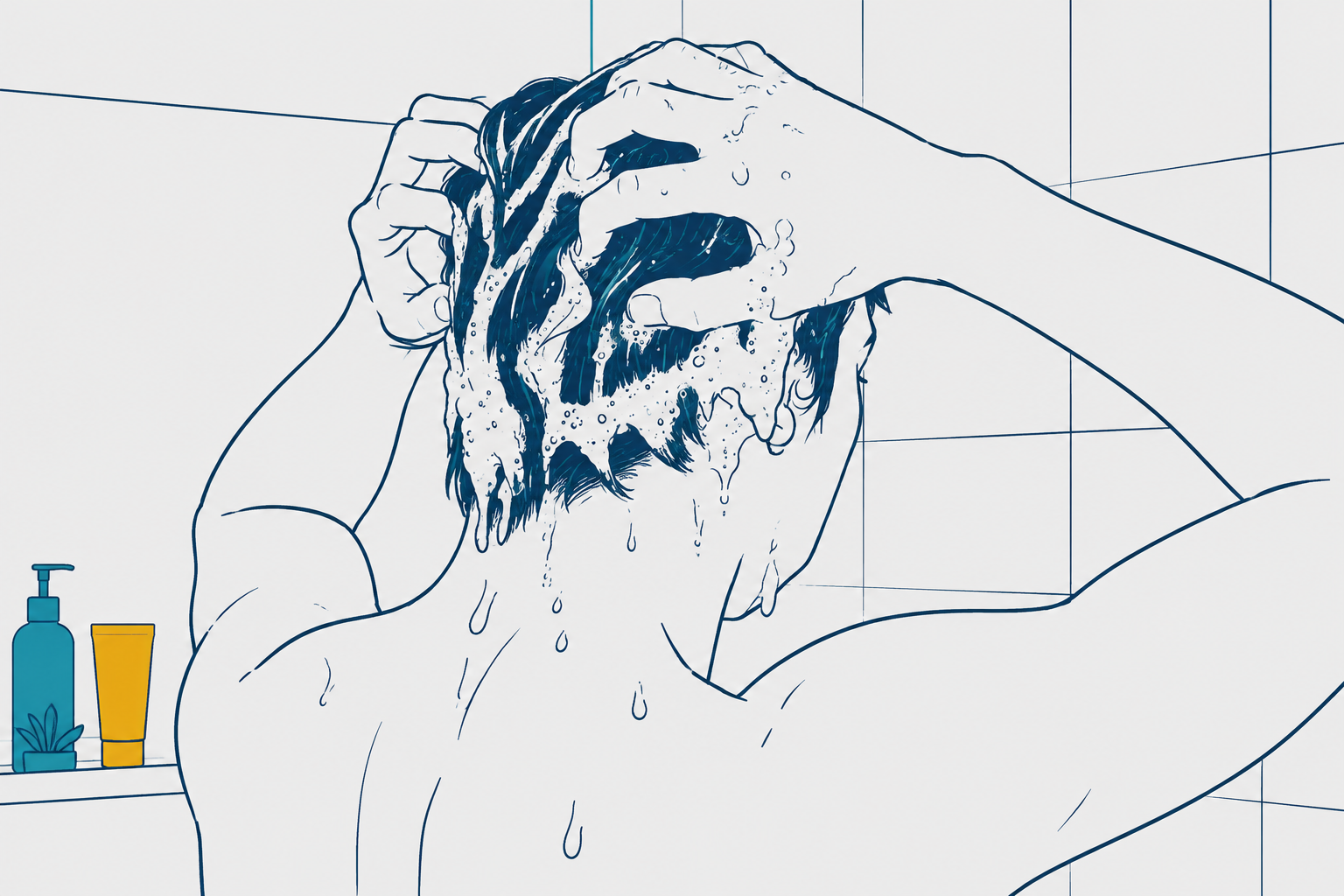

Most people grow up hearing about the importance of good hygiene. Showering regularly helps remove sweat, dirt, and bacteria, which is why it is often seen as a simple healthy habit.
However, it is possible to have too much of a good thing.
For many teens, particularly those who exercise regularly, play sports, or are becoming more conscious of personal hygiene, there can be a temptation to shower multiple times a day or scrub the skin aggressively in an attempt to feel cleaner. While showering itself is not usually a problem, excessive washing can sometimes create issues that are easy to overlook.
If you’re looking for broader guidance on showering, hair washing, and personal hygiene routines, our guide to how often you should shower, wash your hair and shave explores the wider topic in more detail. This article focuses specifically on whether showering too much can become a problem and how to find a healthy balance.
Why Your Skin Needs Natural Oils
Many people assume that the cleaner your skin feels, the healthier it must be.
In reality, your skin naturally produces oils that help protect and support its barrier. This barrier plays an important role in keeping moisture in and reducing irritation from the outside environment.
When you shower, especially with hot water or strong cleansing products, some of these oils are removed. That is completely normal. The problem can arise when this happens so frequently that the skin struggles to maintain its natural balance.
For some people, this may lead to skin that feels dry, tight, itchy, or irritated. Others may notice increased sensitivity, particularly if they already have naturally dry or sensitive skin.
This is one reason why hygiene routines are rarely one-size-fits-all. Factors such as climate, activity level, skin type, and age can all influence what works best.
More Washing Does Not Always Mean Cleaner Skin
A common misconception is that showering more frequently will automatically improve hygiene.
Once sweat, dirt, and bacteria have been removed, additional washing often provides little extra benefit. In some cases, excessive washing can actually create new problems by irritating the skin or disrupting its natural protective barrier.
This can sometimes become a cycle. Skin feels dry after frequent washing, different products are introduced to fix the dryness, irritation develops, and the routine becomes increasingly complicated.
Many people are surprised to learn that healthy hygiene is usually about consistency and balance rather than constant washing.
Understanding why hygiene routines change during the teenage years can help make more sense of these adjustments, particularly as hormones begin affecting sweat production, skin oiliness, and overall body care needs.
Signs You May Be Showering Too Much
There is no universal number that automatically means someone is showering too often. A routine that works perfectly for one person may feel excessive for another.
However, certain signs can suggest that your skin is not responding well to frequent washing.
These may include:
- Skin that regularly feels dry or tight after showering
- Increased itching or irritation
- Flaky skin without another obvious cause
- Needing large amounts of moisturiser simply to feel comfortable
- Skin becoming more sensitive to products than usual
Experiencing one of these signs does not necessarily mean showering is the only cause, but it may be worth considering whether your routine is contributing.
What About Sports, Exercise and Sweating?
One reason this topic can become confusing is that many teenagers genuinely do need to shower more often than they did when they were younger.
Sports training, gym sessions, physical education classes, outdoor activities, and hormonal changes can all increase sweating. In these situations, showering after exercise is often sensible and can help support comfort and hygiene.
The key difference is between showering because there is a practical reason and showering repeatedly because you feel you should always be perfectly clean.
Many active teens worry they are not showering enough when, in reality, they are already maintaining perfectly reasonable hygiene habits.
If you are unsure what is typical, our guide to how often teens should shower explores the topic in more detail.
Hot Showers Can Make the Problem Worse
The frequency of showering is not the only factor that matters.
Water temperature can also influence how your skin responds.
Very hot showers often feel relaxing, especially during colder weather, but they can remove oils from the skin more aggressively than warmer water. For some people, this increases dryness and irritation, particularly when combined with long shower times or multiple showers per day.
This does not mean you need to take cold showers. In most cases, warm water and reasonable shower lengths provide a comfortable balance between cleanliness and skin health.
Small adjustments like these can sometimes make more difference than reducing shower frequency alone.
Finding a Routine That Works for You
One of the most helpful things to remember is that personal hygiene is personal.
There is no perfect shower schedule that works for every teenager.
Some people may need to shower daily because of sports, climate, work, or personal comfort. Others may find that a different routine works equally well for them.
The goal is not to follow a rigid rule. It is to pay attention to how your skin feels and whether your routine supports both hygiene and comfort.
This is similar to how often you should wash your face. More washing is not automatically better. What usually matters most is finding a routine that keeps your skin healthy without creating unnecessary irritation.
What This Means for You
If you enjoy showering regularly, there is usually no reason to stop. The issue is not showering itself but whether your routine is causing problems for your skin.
If you notice persistent dryness, irritation, or discomfort, it may be worth considering factors such as how often you shower, how long your showers last, the temperature of the water, and the products you use.
Small adjustments are often enough to improve comfort without making major changes to your routine.
Final Thoughts
Yes, it is possible to shower too much, but that does not mean there is a single number that applies to everyone.
Healthy hygiene is about balance rather than extremes. While regular showering helps remove sweat, dirt, and bacteria, excessive washing can sometimes leave skin feeling dry, irritated, or uncomfortable.
For most teens, the best approach is to build a routine that reflects their lifestyle, activity level, and skin type rather than trying to follow a universal rule. Cleanliness matters, but so does looking after the skin that protects you every day.
