

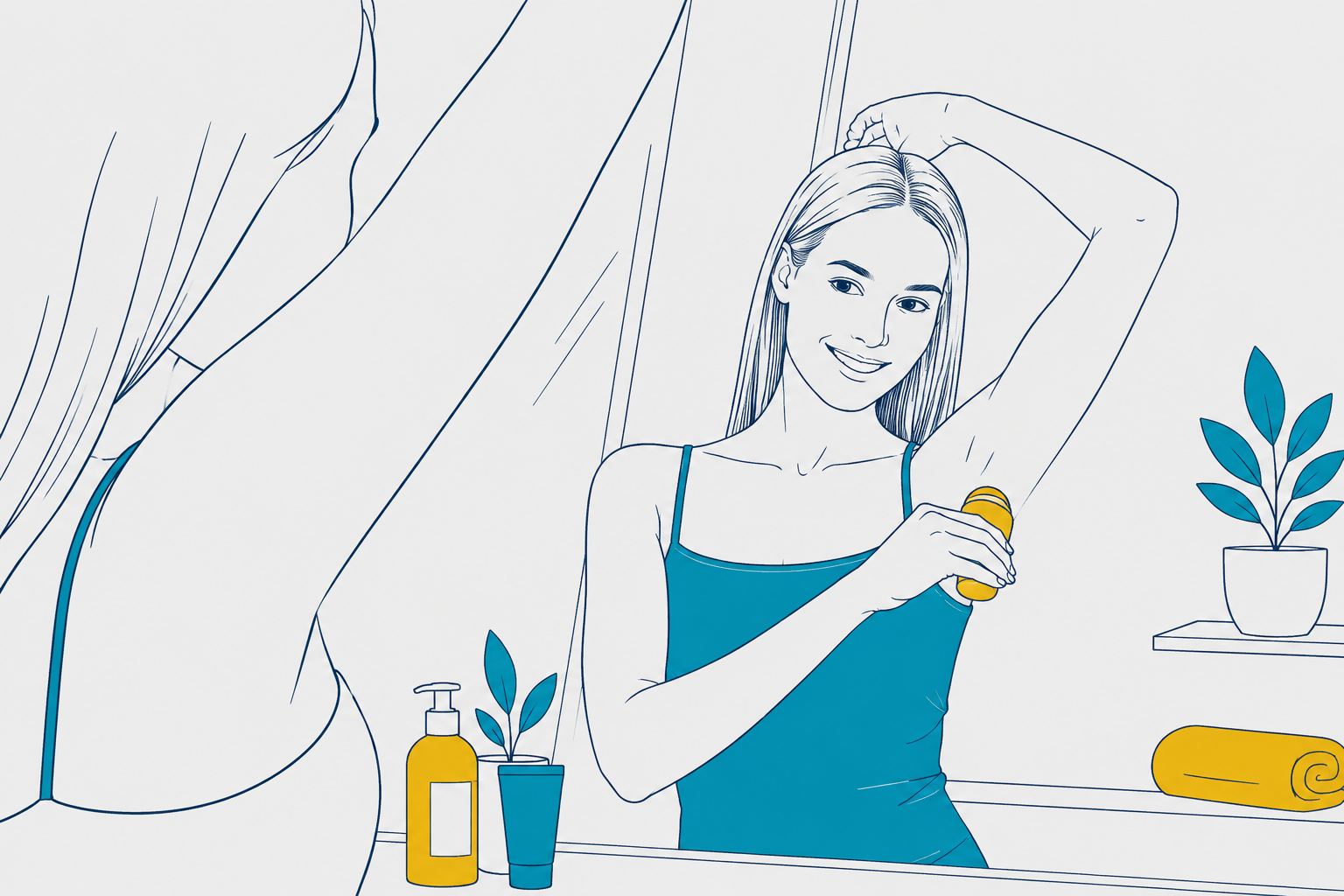

Many people notice that their hygiene routine changes during the teenage years.
You may find yourself showering more often, using deodorant for the first time, paying more attention to skincare, or becoming more aware of things like body odour, oily hair, or sweating.
These changes can sometimes feel confusing, especially if the habits that worked perfectly well when you were younger no longer seem quite enough.
The good news is that this is completely normal.
If you’re looking for broader advice on showering, hair washing, shaving, and personal care routines, our guide to how often you should shower, wash your hair and shave explores the wider topic in more detail. This article focuses specifically on why hygiene needs often change during puberty and what those changes actually mean.
Puberty Changes More Than Most People Realise
When people think about puberty, they often focus on visible changes such as growth spurts, body shape, or voice changes.
However, puberty also affects many systems inside the body, including the skin, sweat glands, scalp, and hormone levels.
As hormone production increases, the body begins functioning differently in several ways. These changes are completely natural, but they can influence how often you need to shower, wash your hair, or pay attention to personal hygiene.
This is one reason many teenagers suddenly feel as though their body is behaving differently than it did a few years earlier.
The routines that worked during childhood may simply need adjusting as your body develops.
Why You May Sweat More
One of the most noticeable changes during puberty is increased sweating.
The body contains sweat glands that help regulate temperature and keep you cool. During adolescence, hormonal changes can make these glands more active, which means you may notice yourself sweating more often than before.
This is particularly common during:
- Exercise
- Sports
- Warm weather
- Stressful situations
- Busy school days
Sweating itself is not a problem. It is a normal and healthy body function.
However, increased sweating can make hygiene routines feel more important because it affects comfort and freshness throughout the day.
Why Body Odour Can Become More Noticeable
Many teens become concerned about body odour during puberty.
This is another completely normal change.
Sweat itself is mostly odourless. Body odour develops when bacteria naturally living on the skin break down sweat and release compounds that produce a smell.
As puberty increases sweat production, body odour can become more noticeable than it was during childhood.
This is one reason many teenagers begin using deodorant or antiperspirant during adolescence.
Good hygiene habits can help manage body odour, but experiencing these changes does not mean there is anything wrong with you. It simply reflects normal physical development.
Why Your Skin May Become Oilier
Another common change involves the skin.
During puberty, hormones often stimulate the sebaceous glands, which produce oil known as sebum.
Sebum helps protect the skin, but increased oil production can sometimes contribute to:
- Oily skin
- Shiny skin
- Blocked pores
- Breakouts
- Acne
This is why many teenagers start paying more attention to skincare for the first time.
However, more oil does not necessarily mean your skin is dirty.
Understanding this distinction is important because some people respond by washing their face excessively, which can sometimes irritate the skin rather than help it.
If you are unsure how often cleansing is actually needed, our guide to how often you should wash your face explores this topic in more detail.
Why Hair Can Become Greasier
The scalp is affected by many of the same hormonal changes that influence the skin.
As oil production increases, some teens notice that their hair becomes greasy more quickly than it did before puberty.
This can make it feel as though you suddenly need to wash your hair much more often.
While increased oil production is common, it does not automatically mean washing more frequently is always the answer.
In some situations, people find themselves trapped in a cycle of constantly trying to remove oil from the hair.
This is why it can be helpful to understand why overwashing your hair can sometimes make it feel greasier rather than assuming every greasy hair problem requires more shampoo.
Why Hygiene Needs Differ Between People
One reason hygiene advice can seem confusing is that everybody experiences puberty differently.
- Some teens naturally sweat more than others.
- Some have oilier skin.
- Some participate in sports every day.
- Some live in warmer climates.
- Some have naturally sensitive skin that reacts differently to frequent washing.
This is why comparing your hygiene routine to someone else’s is rarely helpful.
Healthy hygiene is not about copying another person’s schedule. It is about finding a routine that works for your own body and lifestyle.
More Hygiene Does Not Always Mean Better Hygiene
When people notice changes during puberty, they sometimes assume they need to wash constantly.
This is understandable, but more washing is not always better.
Excessive showering, scrubbing, or cleansing can sometimes lead to:
- Dry skin
- Irritation
- Sensitivity
- Discomfort
Good hygiene is usually about consistency and balance rather than constantly trying to feel perfectly clean.
This is explored further in can you shower too much? because even healthy habits can become unhelpful if they are taken to extremes.
Building a Routine That Works for You
As your body changes, your hygiene routine may need to change too.
For many teens, a simple routine might include:
- Showering regularly
- Using deodorant if needed
- Brushing teeth twice daily
- Wearing clean clothes
- Washing the face consistently
- Looking after hair and scalp health
The exact details will vary from person to person.
What matters most is creating habits that feel realistic, comfortable, and sustainable rather than trying to follow rigid rules.
What This Means for You
If your hygiene needs seem different now than they did a few years ago, that is usually a sign that your body is developing normally.
Puberty affects sweat production, skin oiliness, hair, and body odour in ways that naturally require some adjustments to personal care habits.
Rather than worrying about following a perfect routine, focus on learning what helps you feel clean, comfortable, and confident.
Those habits will often serve you far better than chasing unrealistic standards or comparing yourself to other people.
Final Thoughts
Hygiene routines often change during the teenage years because the body itself is changing. Increased sweating, stronger body odour, oilier skin, and changes to hair are all common parts of puberty.
These changes can sometimes feel frustrating, but they are also completely normal.
The goal is not to become obsessed with hygiene or create a perfect routine. It is simply to develop practical habits that support your comfort, health, and confidence as you grow.
As your body continues to change, your routine may evolve too. That is a normal part of learning what works best for you.
